New Year: New Hope
Here we are at the start of 2026, facing a critical time. Never in our history has the need for brain donation been clearer, more urgent, or more dire. The data now shows that neurologic disorders cause more death, sickness, and disability than any other kind of illness or disease. We’ve said it before: the answers cannot come fast enough.
At the same time, we’re in another kind of race – against the forces at work to limit research advances. Whether these efforts are framed as political or economic, know this: they are real and they are slowing the pace of science. Try to absorb that as the parent of a child with cancer when a grant for pediatric cancer research is not renewed. Or as someone in a clinical trial taking a potentially life-saving drug, when funding is suddenly pulled. It’s hard to make it make sense.
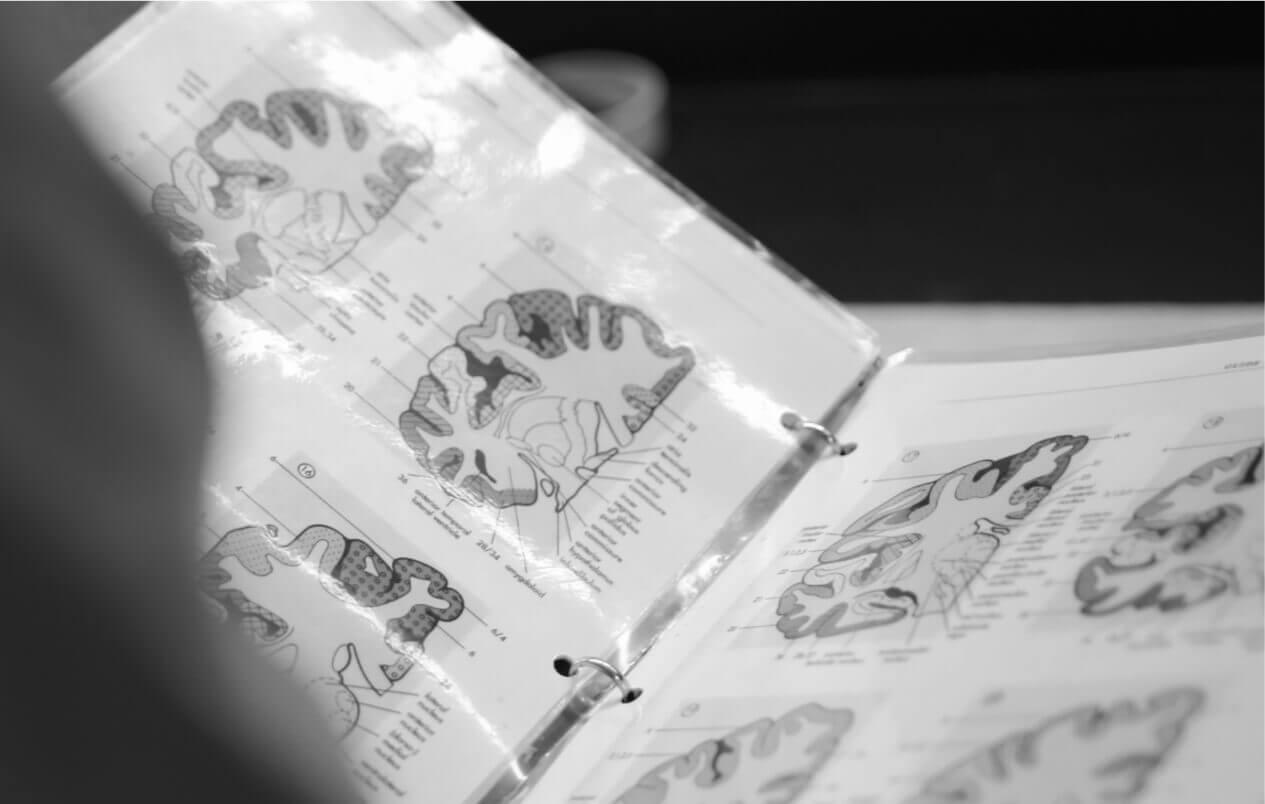
What we do know is that donated human brain tissue is yielding answers, and there is strong progress to report. Because mental illness is the largest category of neurologic disorders reported by those starting the process to donate their brain through The Brain Donor Project, we’re excited to share these recent findings. In a nutshell, donated human brain tissue is helping move therapies from merely managing behavioral symptoms to understanding the disorder’s biological mechanisms. That’s revolutionary.
Put simply, these latest findings have identified causes in cell types, protein networks, and gene regulation that help set the stage for diagnosing and eventually treating a disorder based on physical science rather than on much less precise psychological behaviors. Changes in certain cell types are pointing to altered gene activity in those with depression and mood disorders. Also, certain brain regions containing some of those altered cells are proving significant in the study of schizophrenia and bipolar disorder.
All of these point toward improvements in treatment. When scientists can identify the biological basis of specific mental disorders, it leads to better ways to target the connections and pathways with precision. Many mental health medications have long been prescribed on a trial-and-error basis, and patients continue to suffer. Shortening the time it takes to achieve successful treatment will be life-changing for many.