What One Brain Donation Made Possible
This year, we’re marking National Brain Donation Awareness Day with a different kind of story—one about rare disease, family, grief, and the lasting impact one single brain donation can make on future generations.
Anne Rugari knows all too well the ravages of Krabbe disease, a rare inherited disorder that destroys the nervous system. Her family was shaped by decades of medical intervention and relentless caregiving. And one final gift – the donation of a child’s brain – led to significant scientific progress. Researchers say that precious tissue moved the science forward five years.
For Anne, the decision was not simply about research. It was about love. And it begins not with science, but with her son. And thirteen years later, his sister.
Anne Rugari doesn’t start her story with a diagnosis. She starts with a feeling that something wasn’t right.
Her second son, Nick, was born in May of 1986. From the beginning, he was unsettled in a way she couldn’t explain away. He cried differently—more intensely, more persistently. Feeding him was difficult. He choked, vomited, and struggled to keep anything down. Doctors told her it was colic, something that would pass. Anne followed their guidance. She dimmed the lights, kept the house quiet, limited stimulation. None of it helped.
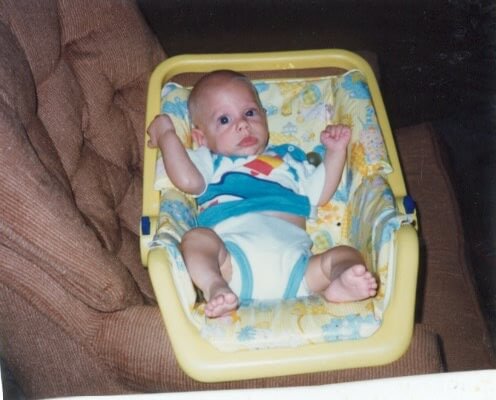
Nick didn’t improve. He slept in short, broken stretches. He failed to gain weight. By two months, doctors labeled him “failure to thrive,” a term that described the problem but didn’t explain it. By two and a half months, he was hospitalized so doctors could try to figure out how to feed him.
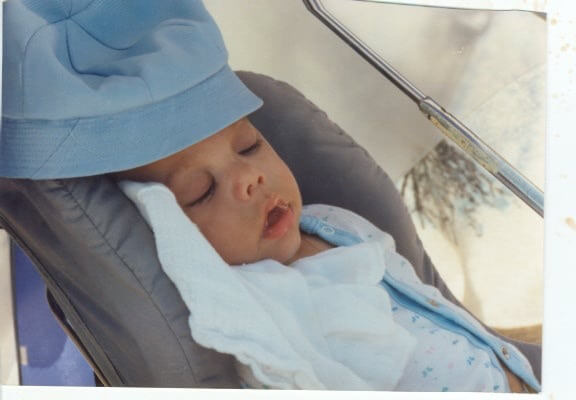
His decline continued. At around four months old, Nick went blind. At five months, he started having seizures. His body weakened as his muscle tone disappeared. He stopped developing.
Anne began searching for answers on her own. This was before the internet made that easy. She took her toddler to the library for storytime, and searched the medical literature, focusing on neurological disorders. What she saw in Nick didn’t look like a one-time injury. It looked progressive. That realization changed how she approached the doctors.
During one hospital evaluation, Anne asked for an MRI and a spinal tap. She wanted to understand what was happening in his brain. The response was dismissive. So, with no diagnosis and little direction, Anne and her family returned to her hometown in Florida. Nick wasn’t getting better and they would need the emotional support.
In Florida, a pediatric neurologist took a different approach. She examined Nick carefully, reviewed his history, and ordered the tests Anne had been asking for—along with additional bloodwork. She suspected a neurodegenerative disease and acted quickly.
The diagnosis came on December 23rd: Krabbe disease.
It’s a rare, inherited disorder that destroys the nervous system. At the time, most children diagnosed with it didn’t live past two years. Nick’s disease had already progressed significantly. His timeline was shorter.
Nick died three days after his first birthday.
Life moved forward. Anne and her husband understood the genetics. Each pregnancy carried a one-in-four chance of another affected child. After everything they had been through, they decided not to have more children.
Thirteen years later, the disease came back into focus in an unexpected way. Their older son, Philip, now in high school, needed to write a biology paper. He chose Krabbe disease. He wanted to understand what had happened to his brother. Anne helped him research it. This time, they found something new. Doctors had begun experimenting with bone marrow and umbilical cord blood transplants. The idea was to introduce the missing enzyme before the disease could take hold. The research was early, but it showed promise—especially if treatment happened before symptoms appeared.
Soon, Anne found out she was pregnant.
She knew the risk. She declined prenatal testing that could put the pregnancy in danger. Instead, she made a plan. They would test the baby immediately after birth and act quickly if needed. At least she knew where to go if the news was bad, thanks to the research they’d discovered.
Gina was born on December 23rd, thirteen years after her brother was diagnosed with Krabbe’ disease.
Anne remembers that things felt different with Gina right away. The baby fed well. She was calm. This little girl was exhibiting none of the struggles Nick had endured. And since it was around the Holidays, the test results were delayed. Anne had a few weeks with Gina and she became more convinced that this baby was perfectly healthy.
But she wasn’t. The tests came back positive for Krabbe disease.
Anne contacted one of the doctors involved in the transplant research. Within days, Gina was evaluated at a specialized center. Timing mattered. Every day without the enzyme meant more damage to the nervous system.
At three and a half weeks old, baby Gina underwent chemotherapy to wipe out her immune system. She endured nine days of chemotherapy – one of the youngest infants ever to receive this treatment. On the tenth day, doctors infused umbilical cord blood from an unrelated donor. She received a whole new blood type containing cells that carried the enzyme her body couldn’t produce. The goal was to stop the disease before it could progress the way it had in Nick.
The process was intense. Gina spent weeks in the hospital, followed by months of daily monitoring. Anne stayed with her, managing the long days and constant uncertainty. The risks were significant, but Gina came through without major immediate complications.
Over time, the difference became clear.
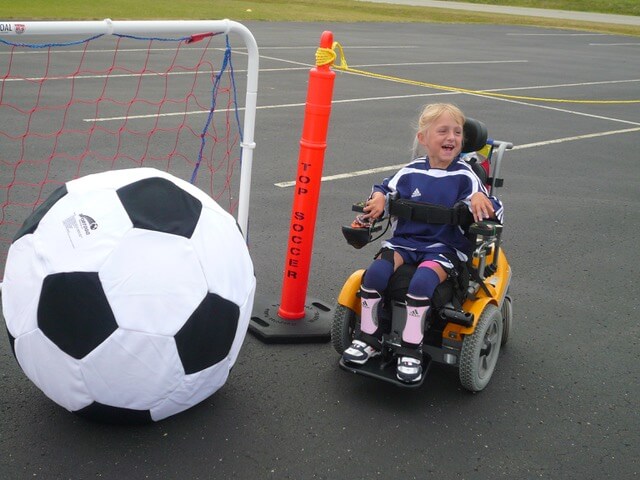
Gina developed in ways Nick never had the chance to. She smiled, communicated, and went to school. She formed friendships and shared opinions, making sure her family knew her favorite colors and stuffed animals. She said, “I love you.” At the same time, the disease had already left its mark. She couldn’t walk independently and soon relied on a wheelchair. Physical limitations remained, but cognitively and emotionally, she kept pace with her peers.
Her case drew attention from researchers. Gina’s progress offered rare insight into what early treatment could do. So Anne became more involved in that world, attending conferences and asking direct questions. She wanted to understand not just what worked, but what her daughter would face next.

For several years, Gina remained stable. Then, around age ten, things began to shift. She lost some function in her hands. Research at the time was limited to animal models and it suggested that while the transplant helped the brain, it didn’t fully reach the peripheral nervous system – the part that controls movement. Scientists were noticing this in the mice that had received treatment. Their back legs were weakening even more.
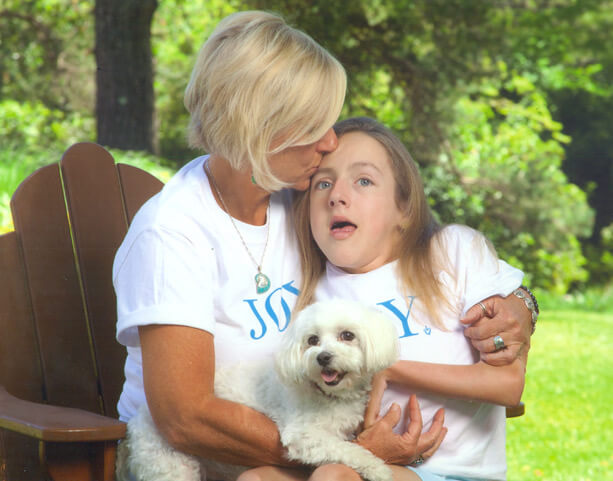
Anne began thinking about what could come next—not just for Gina. Researchers still lacked access to human tissue, which limited their ability to fully understand the disease. Anne pushed for something that didn’t yet exist: a pediatric brain and tissue bank for Krabbe disease. It was formally established in May of 2015.
Gina died the following month from complications of pneumonia and her brain was donated for scientific research.
The findings confirmed key theories about how the disease progresses, especially in children who receive early treatment. Scientists told Anne the data moved their work forward five years.
The program continues today. More families have made the same decision, each for their own reasons. The research has led to multiple studies and a deeper understanding of the disease.
Anne doesn’t present brain donation as an easy choice. It isn’t. For her, it made sense. It aligned with everything she had done from the beginning—ask questions, push for answers, and refuse to accept uncertainty when more could be learned.
Nick’s life raised the questions. Gina’s life helped answer some of them.
Both continue to shape what comes next.